Taxonomy & Basic Information
| Common Name | Lion |
|---|---|
| Scientific Name | Panthera leo |
| Family | Felidae |
| Genus | Panthera |
| Distribution | Africa, India (Gir Forest) |
| IUCN Status | Vulnerable (African Lion), Endangered (Asiatic Lion) |
Physical Characteristics
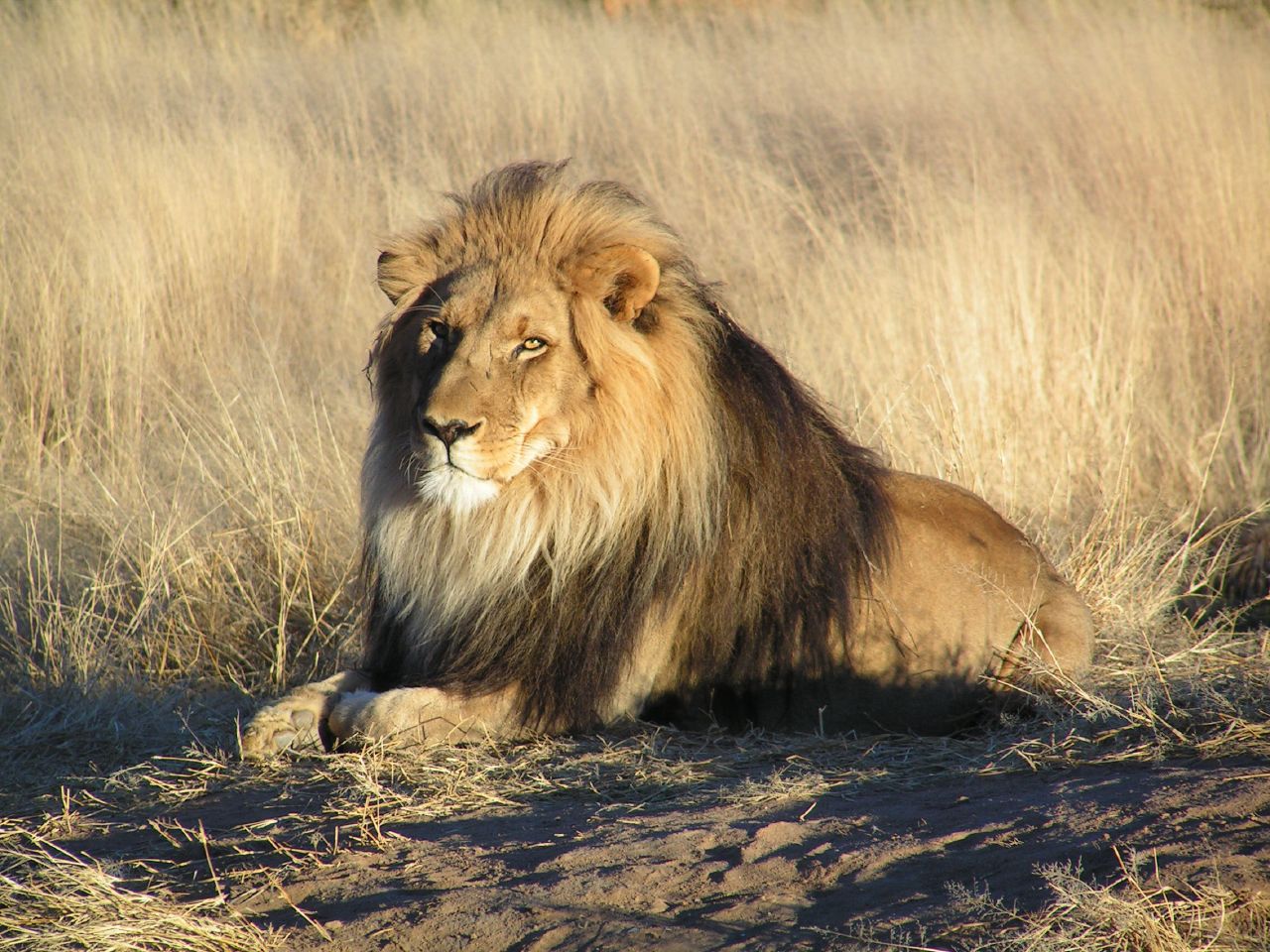
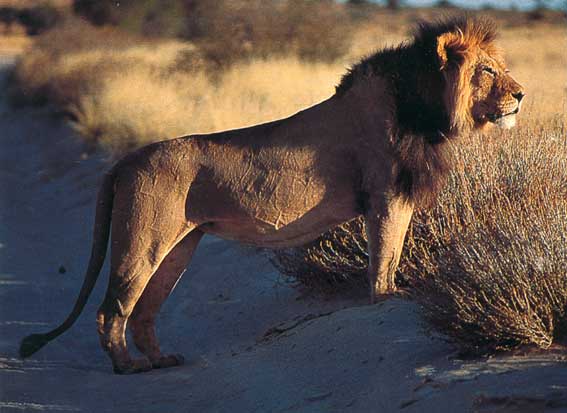
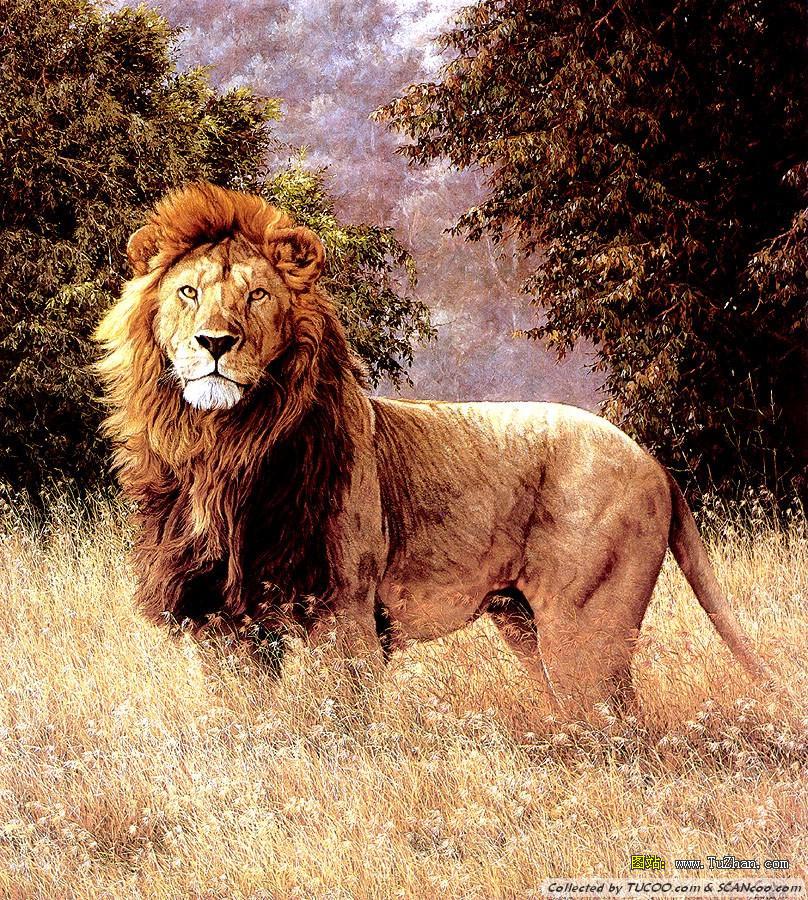
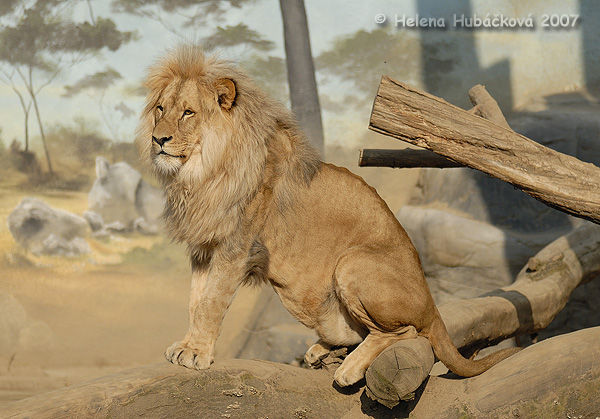
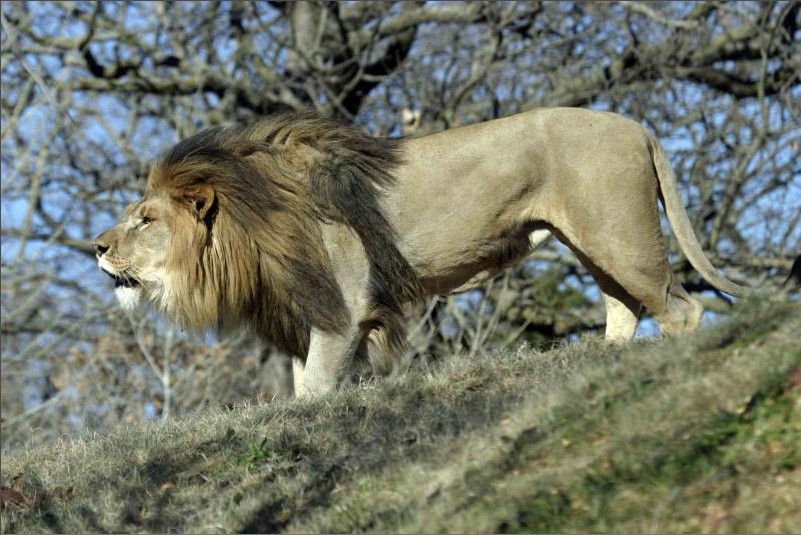
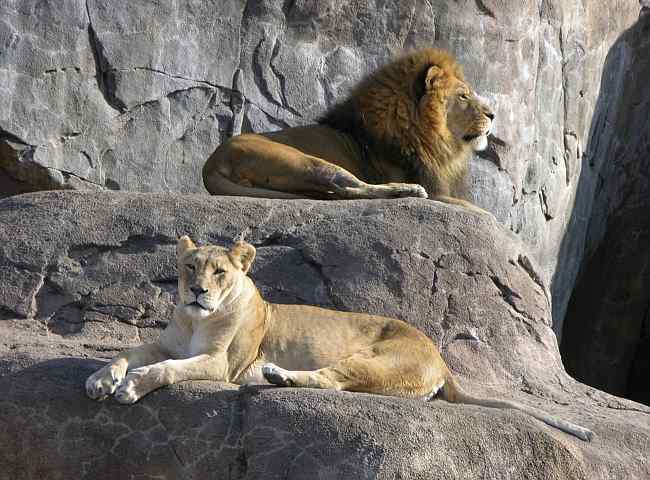
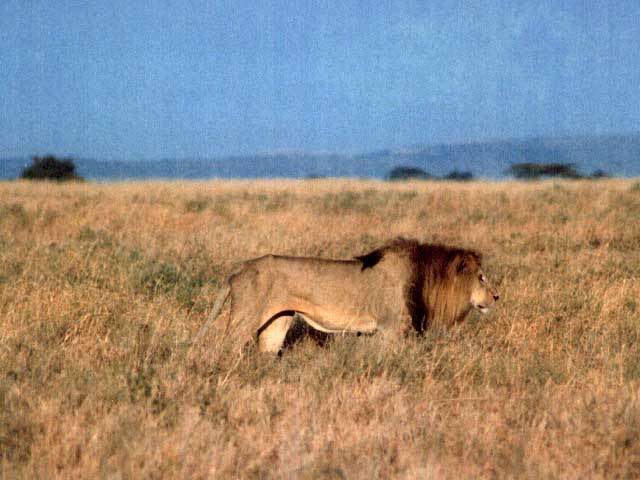
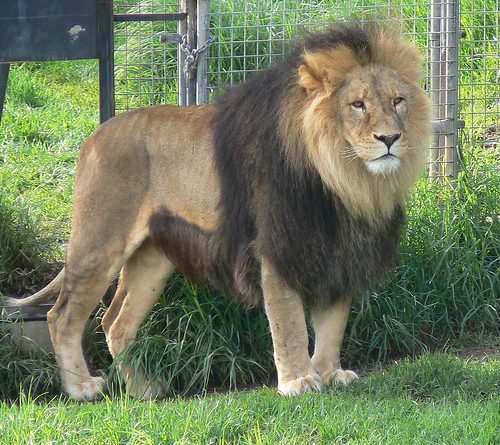
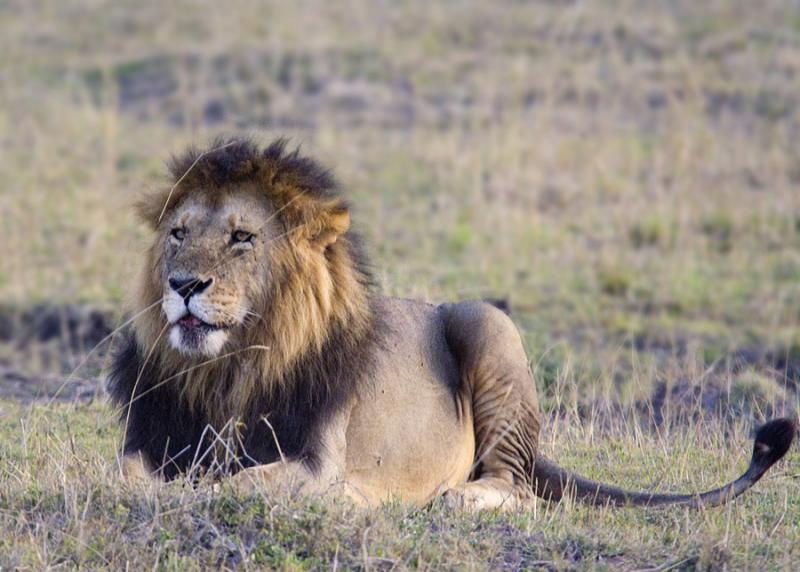
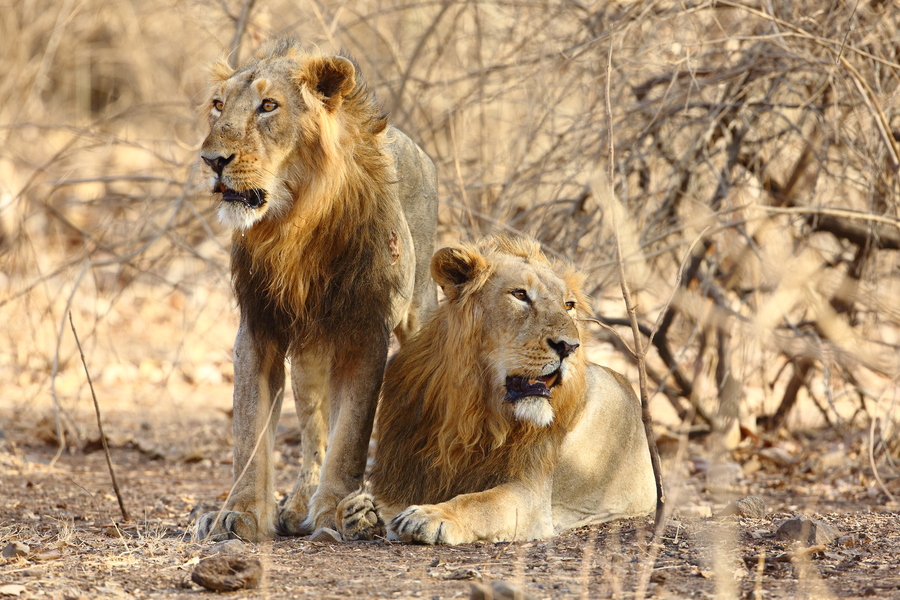
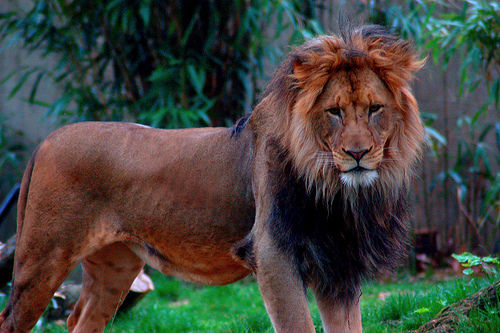
The lion is the largest member of the genus Panthera and the second-largest living cat after the tiger. Adult male lions typically weigh around 240 kg and can reach a body length of 2.4–3.3 meters. Females are smaller. Lions have a muscular, deep-chested body, short, rounded head, round ears, and a hairy tuft at the end of their tail. Males are easily recognized by their prominent manes, which vary in color from blond to black and extend to the shoulders and chest.
- Large, muscular body; males larger than females
- Short, tawny fur; males have a mane
- Powerful jaws and large canine teeth
- Sharp, retractable claws
- Excellent vision, hearing, and sense of smell
Habitat & Distribution
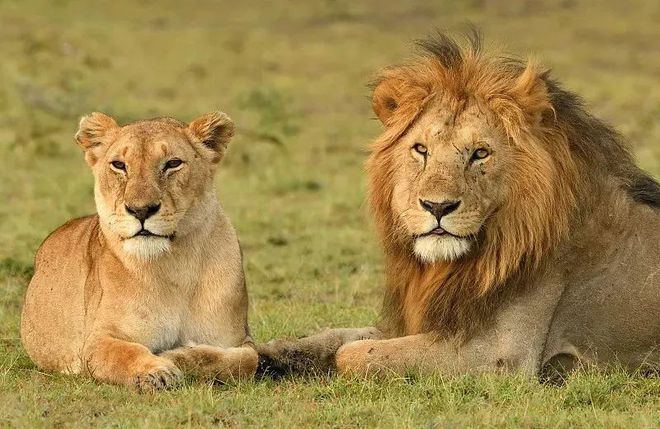
Lions inhabit tropical savannas, grasslands, and open woodlands. They are mainly found in sub-Saharan Africa, with a small population of Asiatic lions surviving in the Gir Forest of India. Historically, lions ranged across Africa, Asia, and Europe, but their range has dramatically decreased due to habitat loss and human activity.
Behavior & Ecology
Lions are unique among cats for their social behavior. They live in groups called prides, which consist of related females, their cubs, and a coalition of males. Prides can range from 3 to 40 individuals. Lions are territorial and use scent marking and roaring to defend their territory.
- Social Structure: Prides led by related females and a few males
- Territory: Marked and defended by roaring and scent
- Diet: Carnivorous, mainly preying on large ungulates
- Hunting: Cooperative, often at night or dawn/dusk
- Lifespan: 10–14 years in the wild, up to 20+ years in captivity
Subspecies & Distribution
There are two main groups and eight recognized subspecies of lions. The African lion (Panthera leo leo) is found throughout sub-Saharan Africa, while the Asiatic lion (Panthera leo persica) survives only in India. Some subspecies are critically endangered or extinct in the wild.
- African Lion (Panthera leo leo): Sub-Saharan Africa
- Asiatic Lion (Panthera leo persica): Gir Forest, India
- West African Lion (Panthera leo senegalensis): Critically Endangered
- Other subspecies: Some extinct or highly threatened
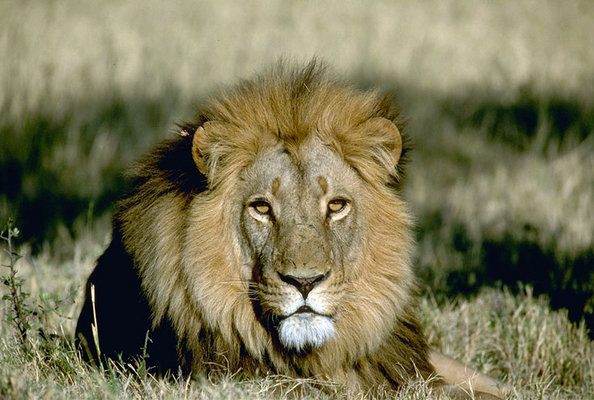
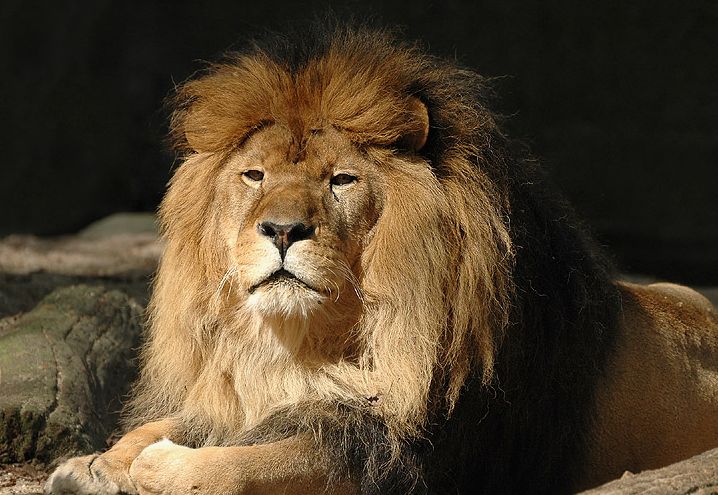
Major Lion Groups (2 Main Lineages)
-
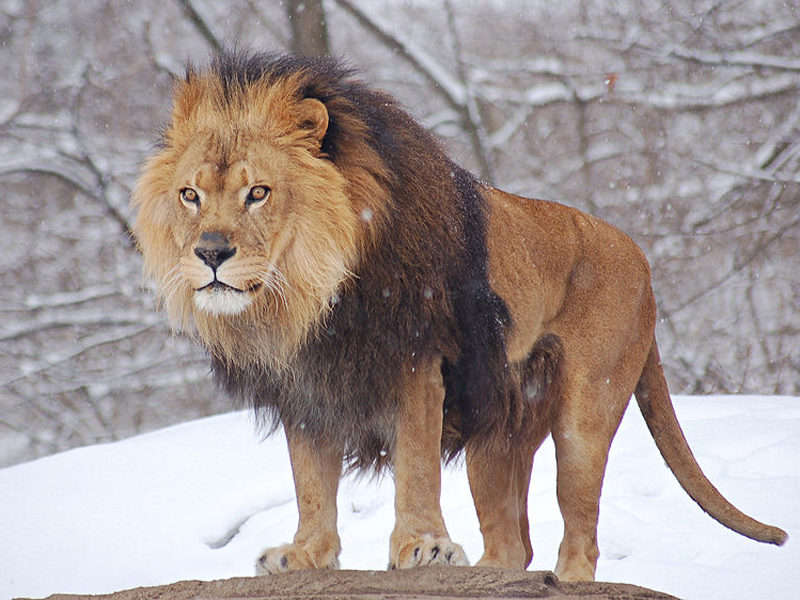 African Lion Group
Scientific name: Panthera leo leo
English name: West Africa subpopulation
Distribution: Benin, Burkina Faso, Niger, Nigeria, Senegal
Possibly extinct: Ghana, Guinea
Regionally extinct: Côte d'Ivoire, Gambia, Guinea-Bissau, Mali, Mauritania, Sierra Leone, Togo -
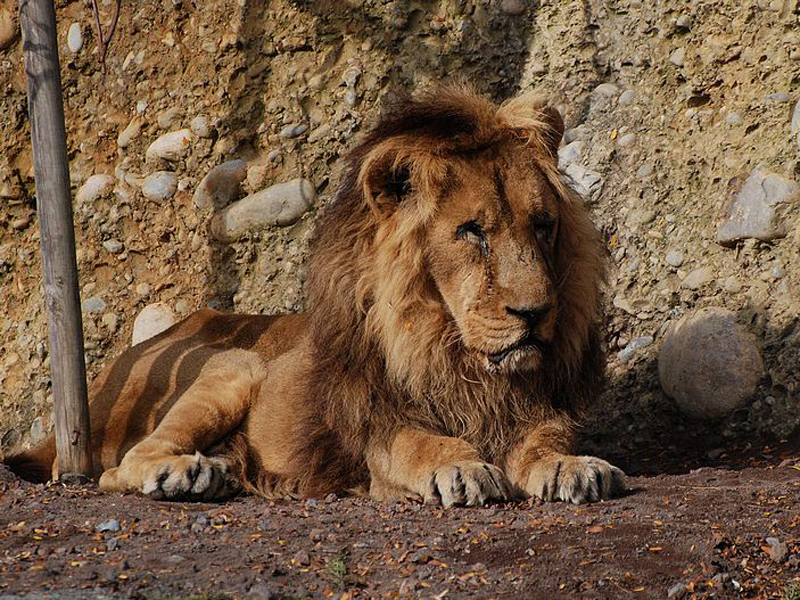 Asiatic Lion Group
Scientific name: Panthera leo ssp. persica
English name: Asiatic Lion, Indian Lion
Distribution: Now only in Gir Forest, Gujarat, India (historically from Mediterranean to India)
Population: 250-350 in the wild
Recognized Lion Subspecies (8 Subspecies)
-
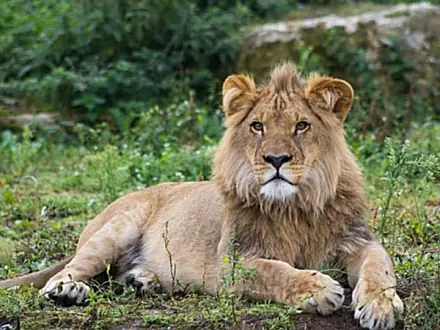 Congo Lion (Panthera leo azandicus)
Distribution: Democratic Republic of the Congo, Uele River region, eastern provinces -
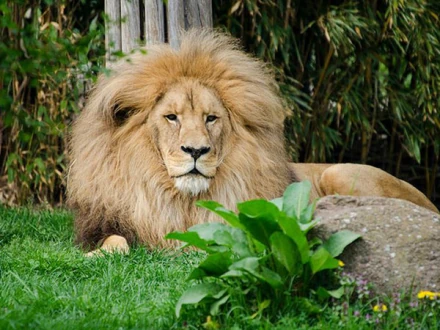 Angolan Lion (Panthera leo bleyenberghi)
Distribution: Angola to southern DRC (Katanga) -
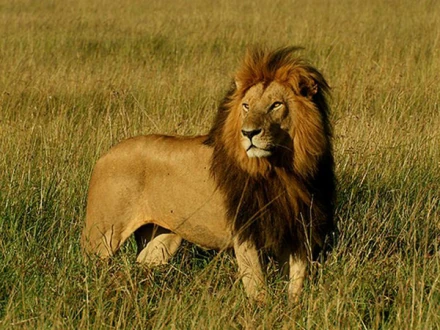 Kenya Lion (Panthera leo hollisteri)
Distribution: Western Kenya (Sotik), northwest of Lake Victoria -
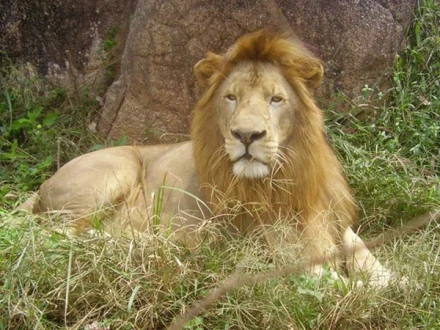 Cameroon Lion (Panthera leo kamptzi)
Distribution: Cameroon (Yoko, upper Sanaga River) -
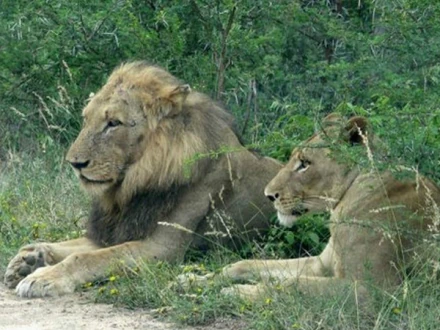 South African Lion (Panthera leo krugeri)
Distribution: South Africa (Transvaal, Kalahari) -
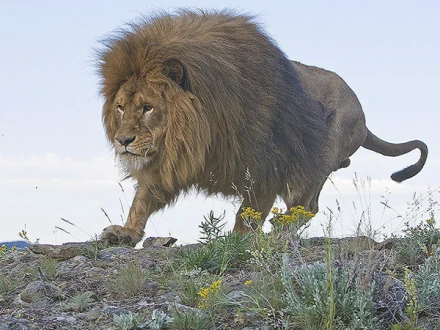 Barbary Lion (Panthera leo leo)
Distribution: Morocco, Algeria, Egypt, Tunisia, Libya (now extinct in the wild) -
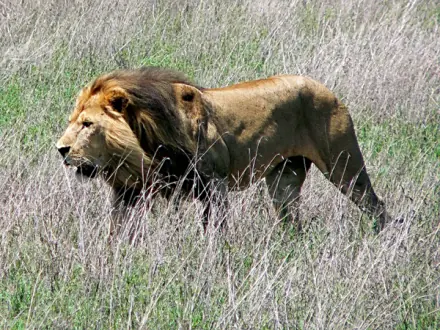 Cape Lion (Panthera leo melanochaitus)
Distribution: South Africa (Western Cape, extinct since 1858) -
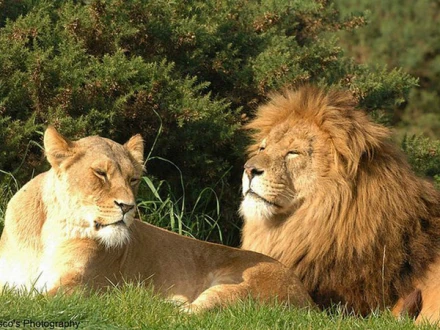 Masai Lion (Panthera leo nubica)
Distribution: East Africa (Uganda, Kenya, Tanzania) -
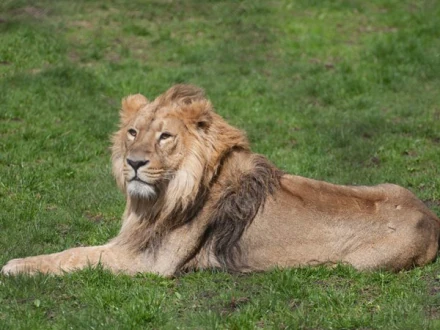 Asiatic Lion (Panthera leo persicus)
Distribution: India (Gir Forest, Gujarat) -
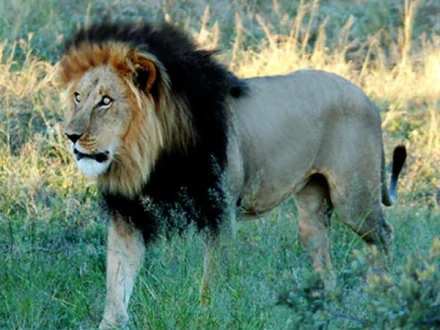 Roosevelt Lion (Panthera leo roosevelti)
Distribution: Sudan, Ethiopia -
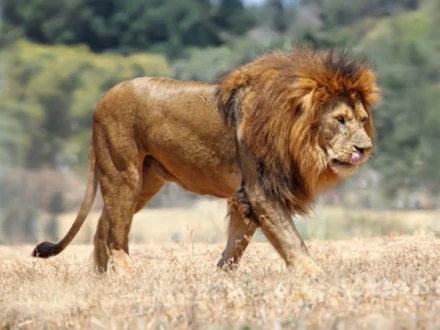 West African Lion (Panthera leo senegalensis)
Distribution: Sub-Saharan Africa (Senegal to Cameroon, Mali, Burkina Faso, Ghana, Benin, Nigeria) -
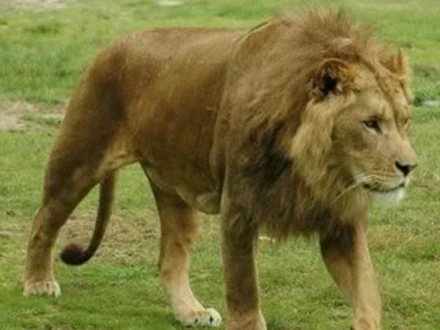 Somali Lion (Panthera leo somaliensis)
Distribution: Somalia, Ethiopia -
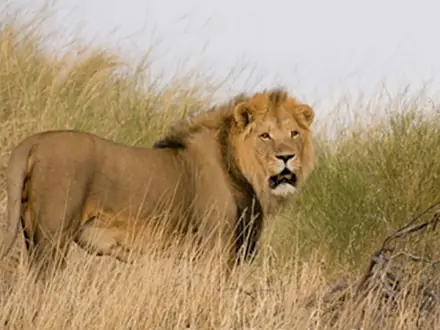 Kalahari Lion (Panthera leo vernayi)
Distribution: Kalahari Desert, South Africa -
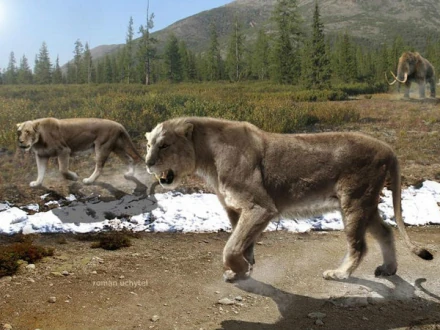 Cave Lion (extinct) (Panthera leo spelaea)
Distribution: Eurasia (fossil record, extinct)
Reproduction & Growth
Lions breed year-round. Females give birth to 1–4 cubs after a gestation of about 110 days. Cubs are born blind and helpless, and are hidden for the first few weeks. Lionesses in a pride often synchronize births and help care for each other's cubs. Cubs are weaned at 6–7 months and become independent at 2–3 years old.
Conservation Status
Lions are listed as Vulnerable (VU) on the IUCN Red List, with the Asiatic lion classified as Endangered (EN) and the West African population as Critically Endangered (CR). Major threats include habitat loss, human-wildlife conflict, poaching, and disease. Conservation efforts focus on habitat protection, anti-poaching measures, and community engagement.
- Listed in CITES Appendix I (Asiatic lion) and II (other populations)
- Population declining, especially outside protected areas
- Conservation programs in Africa and India